Thirty Years as a Surgeon Taught Me to Demand Evidence. Memopryl's 30-Study Bibliography Was the First Supplement to Meet That Standard.
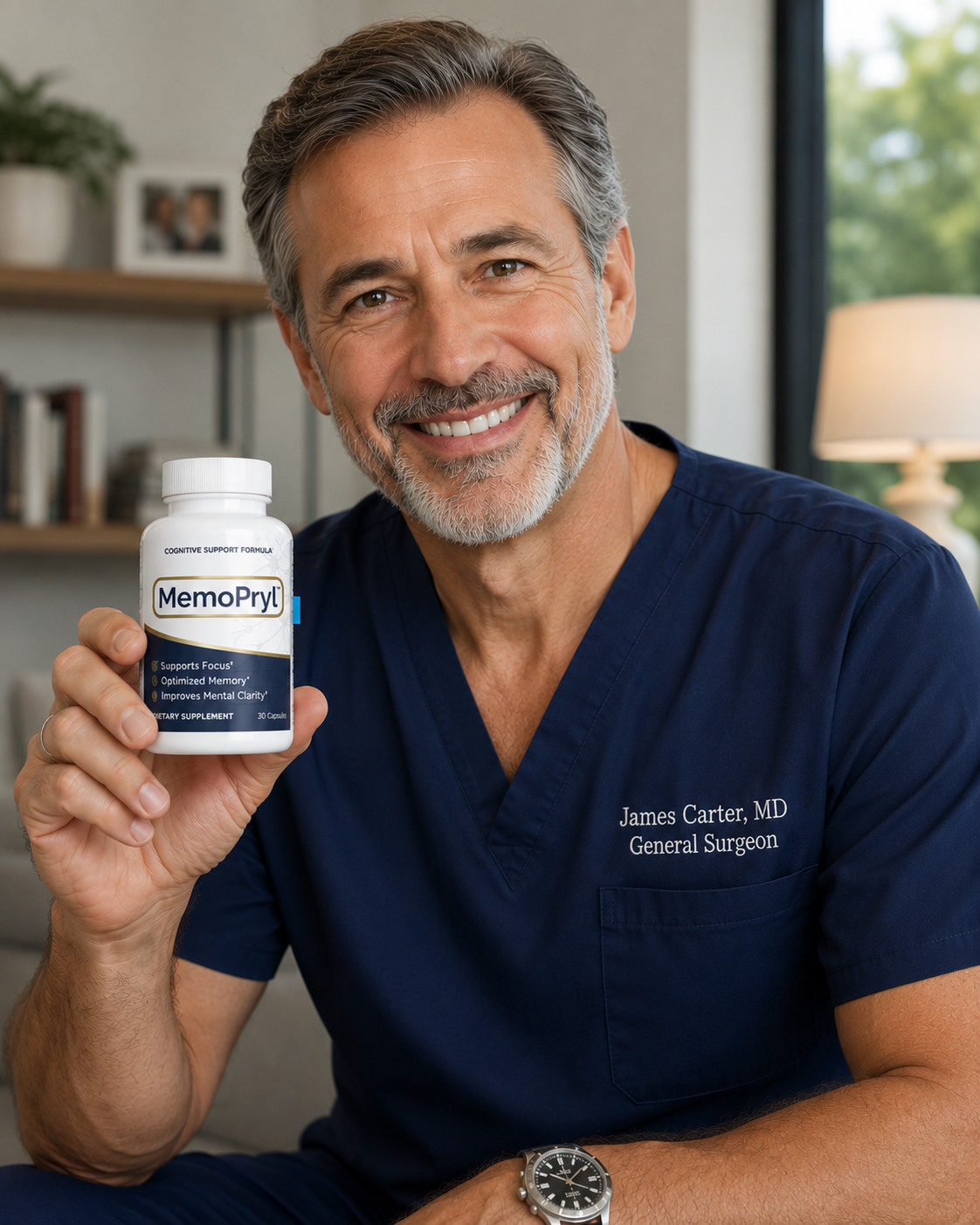
I'm 55 years old. I spent 30 years as a cardiothoracic surgeon — a profession that demands absolute cognitive precision under conditions where errors carry irreversible consequences. My standard for evaluating anything I put into my body is the same standard I applied to every clinical decision in the operating room: show me the evidence.
The cognitive changes that began at 53 were subtle enough that most people in my life didn't notice them. I did. The slight hesitation before producing a colleague's name that should have been instant. The paragraph in a research article I'd just read that required a second pass to fully integrate. The mental thread of a complex diagnostic conversation that occasionally frayed before reaching its conclusion. My neurologist ran the standard battery of assessments and said everything was within normal limits for my age. I went home and applied the same clinical skepticism to that answer that I'd have applied to any other: is "within normal limits for age" a destination, or a starting point?
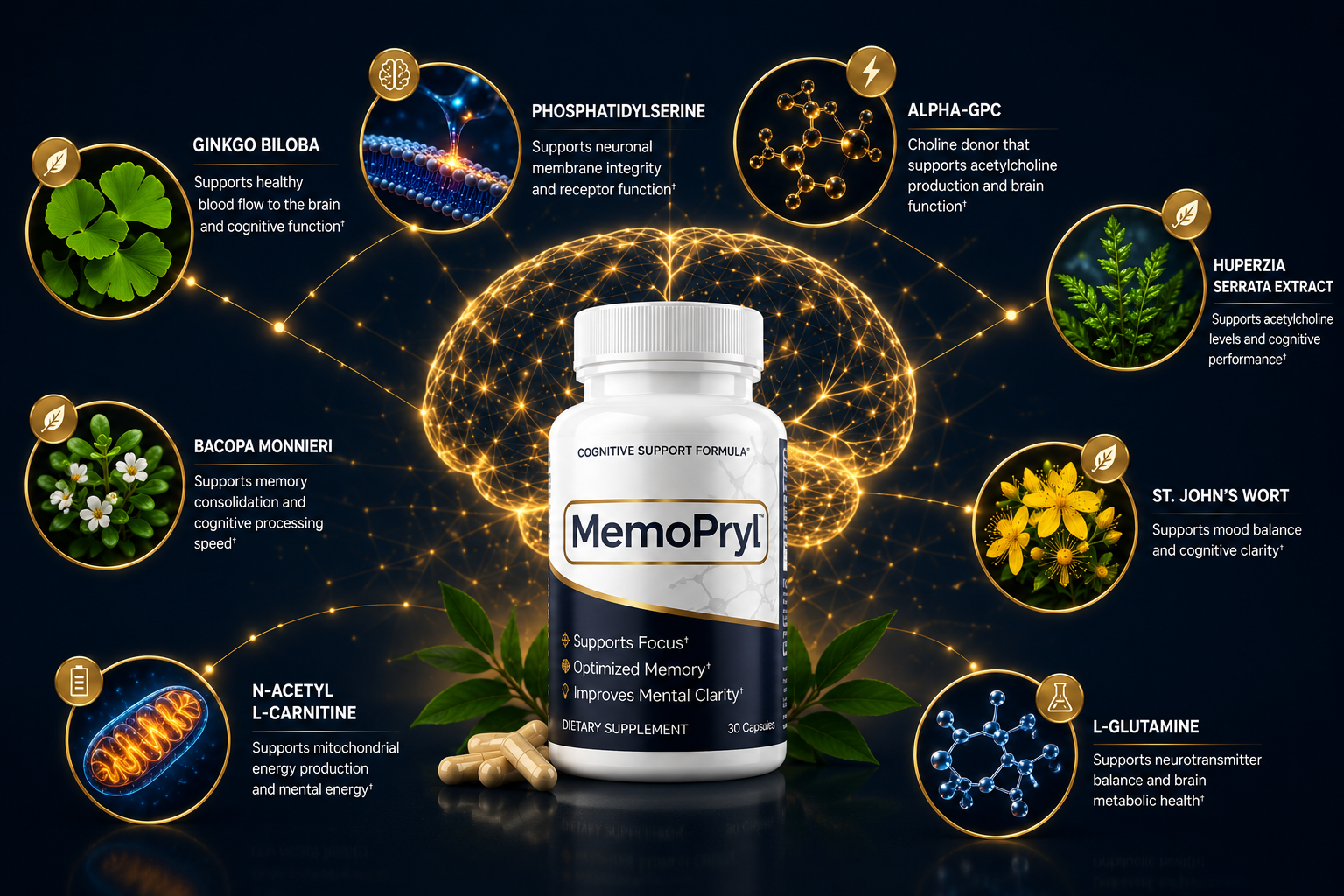
The research led me to the specific mechanisms behind what I was experiencing. Acetylcholine — the neurotransmitter most central to memory formation and retrieval — is synthesized from choline, a nutrient most adults over 50 are chronically under-supplemented in. Alpha-GPC provides the most bioavailable choline form for neural use. The enzyme acetylcholinesterase progressively breaks down acetylcholine as we age, and Huperzia serrata extract inhibits that enzyme, extending acetylcholine availability. Phosphatidylserine supports the cell membrane integrity that synaptic function depends on. Bacopa Monnieri's bacosides reduce neural inflammation at the hippocampal synaptic level — the specific site of memory consolidation.
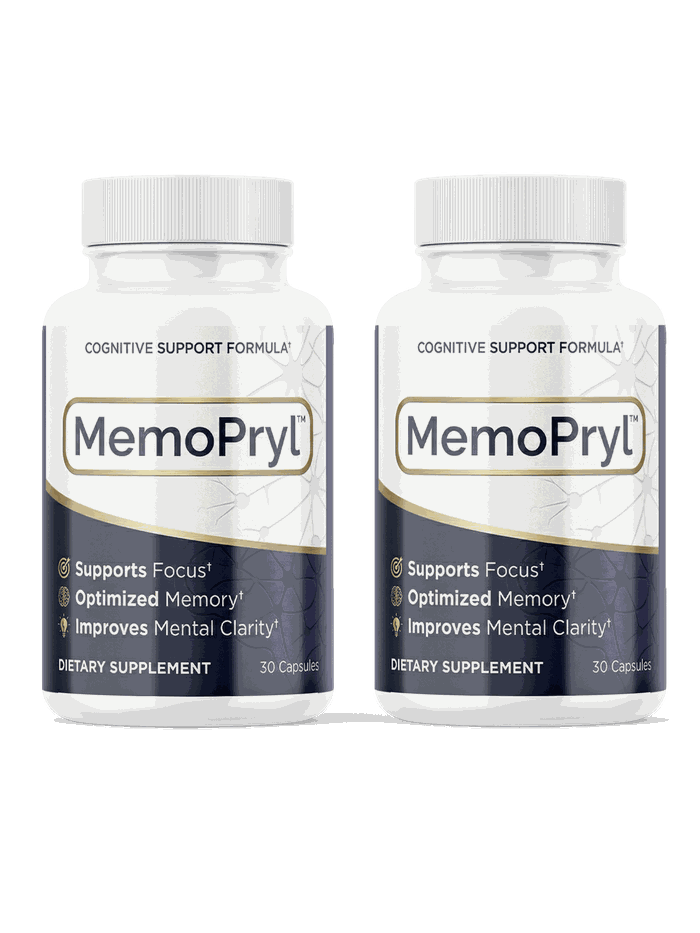
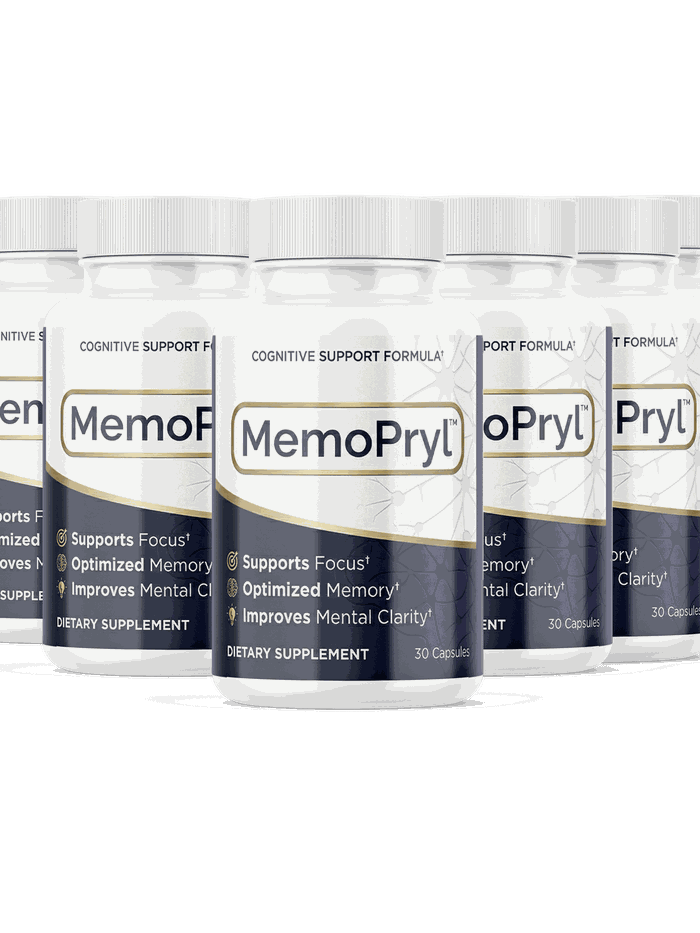
When I found Memopryl combining all eight compounds — with a published 30-study research bibliography that I could independently verify against the primary literature — I applied the same evaluation standard I'd used for every clinical protocol in three decades of surgical practice. The evidence was substantive. I bought the 6-bottle kit and gave it a 90-day protocol.
What happened was the most meaningful improvement in cognitive precision and mental endurance I'd experienced since my early fifties — and the first time a supplement had met my evidentiary standard before I started taking it and delivered on that standard after I did.